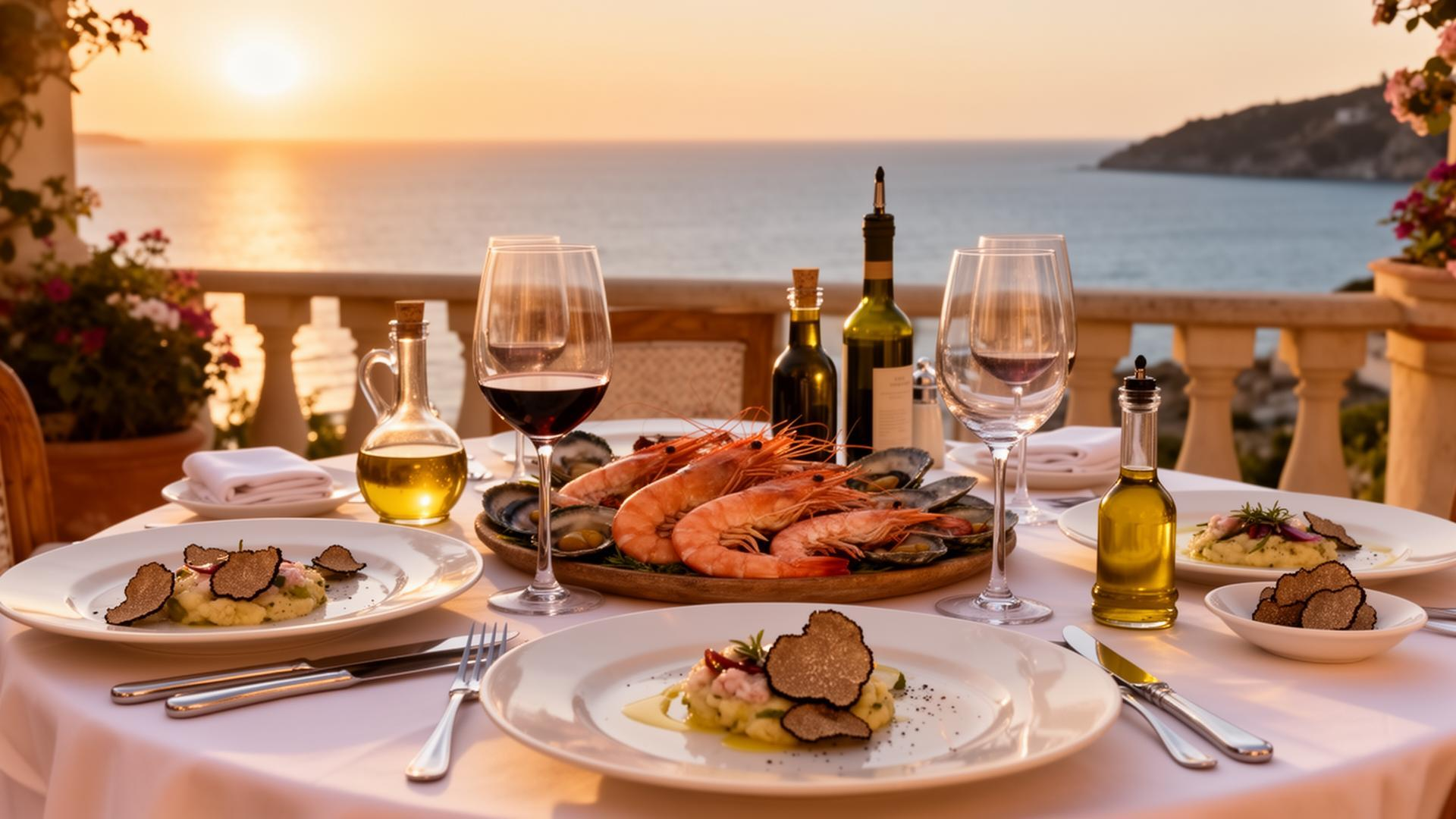
The Mediterranean is one of the world’s great culinary regions, where fresh ingredients, centuries-old traditions, and exceptional wines come together in remarkable harmony. From the sun-drenched vineyards of Greece and Italy to the celebrated wineries of southern France and Spain, every destination offers distinctive flavors shaped by local climates, cultures, and terroirs.
Pairing Mediterranean food with the right wine is about far more than following rigid rules. The finest combinations enhance both the dish and the wine, allowing subtle flavors, textures, and aromas to complement one another naturally. Whether dining at a Michelin-starred restaurant overlooking the sea or enjoying a relaxed lunch in a coastal vineyard, understanding a few essential pairing principles can transform an already memorable meal into an outstanding gastronomic experience.
This guide explores some of the Mediterranean’s most celebrated food and wine pairings while highlighting the regional wines that define one of the world’s richest culinary landscapes.
Understanding the Mediterranean Approach to Pairing
Mediterranean cuisine is built around freshness, balance, and seasonality.
Olive oil, seafood, vegetables, herbs, citrus fruits, artisan cheeses, and carefully prepared meats form the foundation of many regional dishes. Rather than overpowering these ingredients, wines are selected to complement their natural character while maintaining harmony throughout the meal.
Acidity plays an especially important role. Crisp white wines refresh the palate alongside seafood and vegetables, while structured reds provide depth without overwhelming roasted meats or slow-cooked dishes. The emphasis remains on elegance rather than intensity.
Pairing Seafood with Coastal White Wines
Seafood is central to Mediterranean gastronomy, and choosing the appropriate wine allows its delicate flavors to shine.
Fresh oysters, grilled prawns, sea bass, lobster, octopus, and Mediterranean fish are traditionally paired with mineral-driven white wines that mirror the freshness of the sea. Greek Assyrtiko from Santorini offers vibrant acidity and remarkable minerality, while Vermentino from Sardinia and Tuscany delivers citrus aromas that beautifully accompany grilled seafood.
Picpoul de Pinet from southern France is another outstanding choice, particularly with oysters and shellfish, thanks to its crisp finish and lively acidity.
Matching Mediterranean Salads and Vegetable Dishes
Fresh vegetables, herbs, tomatoes, olives, and soft cheeses appear throughout Mediterranean cuisine.
These lighter dishes pair exceptionally well with aromatic whites and delicate rosés. Provence rosé remains a classic companion for Greek salads, grilled vegetables, and mezze platters, offering freshness without masking subtle flavors. Sauvignon Blanc and dry Muscat styles also complement herb-driven dishes while preserving their natural brightness.
The objective is always to support freshness rather than compete with it.
Wine Pairings for Pasta and Risotto
Mediterranean pasta dishes vary enormously depending on their ingredients.
Seafood pasta works beautifully with Vermentino, Assyrtiko, or Albariño, while creamy risottos benefit from richer white wines such as Chardonnay with restrained oak influence. Tomato-based pasta sauces pair comfortably with medium-bodied reds like Chianti Classico or Barbera, whose acidity mirrors the tomatoes without dominating the dish.
Mushroom risottos and truffle pasta invite more complex wines, including Pinot Noir or elegant Nebbiolo from northern Italy.
Complementing Grilled Meats
The Mediterranean is equally renowned for beautifully prepared grilled meats.
Lamb seasoned with rosemary and thyme naturally complements Syrah from the Rhône Valley or Xinomavro from northern Greece. Grilled beef benefits from structured Cabernet Sauvignon blends or refined Super Tuscans, while pork dishes often pair well with Tempranillo from Spain or Grenache-based wines from southern France.
Successful pairings focus on balancing the richness of the meat with wines offering both freshness and complexity.
Discovering Mediterranean Cheeses
Cheese forms an essential part of Mediterranean dining, whether served as an appetizer, incorporated into recipes, or presented as a dedicated course.
Fresh cheeses such as mozzarella, burrata, and feta pair beautifully with crisp white wines that highlight their creamy texture. Mature Manchego, Pecorino, and aged sheep’s cheeses benefit from fuller-bodied reds or elegant fortified wines that complement their intensity.
Offering several cheeses alongside different wines creates an enjoyable tasting experience while showcasing the remarkable diversity of Mediterranean gastronomy.
Pairing Desserts Without Overwhelming Them
Dessert wines should generally be at least as sweet as the dessert itself.
Greek Vinsanto, produced from sun-dried Assyrtiko grapes, pairs beautifully with honey-based pastries and dried fruits. Italian Vin Santo complements almond biscuits, while French Muscat de Beaumes-de-Venise offers floral sweetness alongside citrus desserts and fruit tarts.
Chocolate-based desserts often pair successfully with fortified wines such as Banyuls or high-quality Port, creating a satisfying conclusion to a fine dining experience.
Regional Pairing Experiences Worth Discovering
One of the greatest pleasures of travelling through the Mediterranean is experiencing food and wine together in their place of origin.
Visitors to Santorini can enjoy Assyrtiko paired with freshly caught seafood overlooking volcanic cliffs. In Tuscany, Brunello accompanies traditional Florentine cuisine within historic estates. Provence combines rosé wines with Mediterranean vegetables and local seafood, while Rioja showcases elegant reds beside slow-cooked Spanish specialties.
These regional combinations have evolved naturally over centuries and remain among the world’s finest examples of harmonious gastronomy.
Enjoying Food and Wine with Confidence
Perfect food and wine pairing should never feel intimidating.
While classic combinations provide an excellent starting point, personal taste remains the most important consideration. Exploring local wines, asking experienced sommeliers for recommendations, and remaining open to unexpected combinations often leads to the most memorable discoveries.
The Mediterranean encourages this relaxed philosophy. Rather than rigid rules, it celebrates balance, hospitality, and the pleasure of sharing exceptional food and wine in beautiful surroundings.
Frequently Asked Questions
Which white wine pairs best with Mediterranean seafood?
Assyrtiko from Santorini, Vermentino from Italy, and Picpoul de Pinet from southern France are all excellent choices thanks to their freshness, minerality, and vibrant acidity.
What red wine works well with Mediterranean lamb dishes?
Syrah from the Rhône Valley, Xinomavro from Greece, and quality Grenache blends complement grilled or roasted lamb particularly well.
Is rosé suitable for Mediterranean cuisine?
Yes. Dry Provence rosé pairs beautifully with salads, grilled vegetables, seafood, and many traditional Mediterranean appetizers.
Which wine should accompany Mediterranean cheeses?
Fresh cheeses pair well with crisp white wines, while aged cheeses often benefit from medium-bodied reds or carefully selected fortified wines.
Do I always need to follow traditional pairing rules?
No. Classic pairings provide valuable guidance, but personal preference and the quality of both the food and the wine should always shape the final choice.
By Luxury Magazine Editorial Team